Start with the building materials and the stain pattern
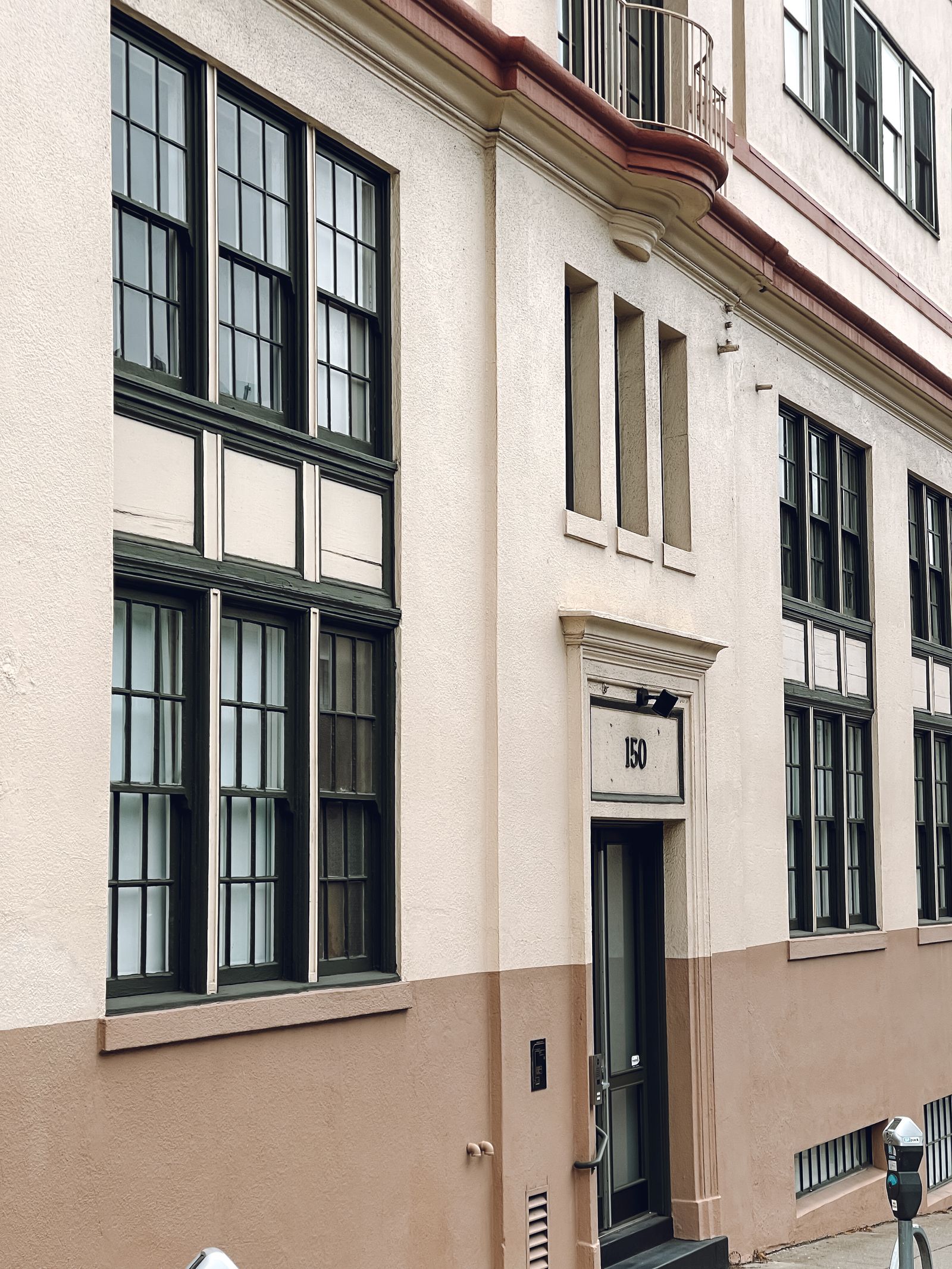
Bozeman commercial properties often combine brick, mortar, painted metal, fiber-cement or composite siding, concrete, EIFS, stucco, glass, stone veneer, sealants, and wood details. A newer office on the west side may sit beside a masonry retail building, while a downtown storefront may have historic-looking surfaces, narrow sidewalks, awnings, and tenant signs. The same dark mark can mean organic staining on a shaded wall, road film at a drive lane, smoke or dust on an upper elevation, oxidation on painted metal, or mineral residue below a parapet. A responsible scope separates those conditions before selecting chemistry or pressure.
Soft washing may suit compatible organic-looking growth, pollen, bird residue, and some atmospheric film when testing supports the process. It is not a cure for failed paint, cracked masonry, open joints, corrosion, spalled concrete, roof leaks, or damaged sealant. A short test on representative brick, metal, glass-adjacent trim, or painted siding can show whether the deposit releases, whether a coating changes, and whether another trade needs to be involved. The proposal should describe likely improvement and limitations instead of promising that every mark will disappear.
- Map brick, mortar, concrete, glass, metal, siding, EIFS, stucco, stone, and coated areas separately.
- Read vertical streaks, snow lines, drive-lane splash, shaded walls, roof-edge marks, and vent deposits.
- Test representative surfaces before applying a broad method to a mixed-material facade.
- Keep repairs, leak diagnosis, coating replacement, corrosion treatment, and restoration separate from washing.
Fit the scope to Bozeman neighborhoods and commercial corridors
Downtown Bozeman properties along Main Street and the surrounding blocks may need sidewalk protection, careful hose routing, storefront access, and a sequence that respects restaurants, galleries, offices, and early-morning deliveries. A property near Montana State University can have student foot traffic, event schedules, bike movement, residence-adjacent routes, and entrances that must stay usable. Medical and professional offices around Highland Boulevard, 19th Avenue, and West Babcock Street may need patient drop-offs, accessible paths, quiet work windows, and protection for air intakes or sensitive equipment.
Retail centers and office parks near 7th Avenue, North 19th Avenue, Ferguson Avenue, and the Four Corners corridor may combine several tenants, shared parking, drive-through lanes, signs, landscaping, and deliveries. Hospitality properties serving downtown, the university, Bridger Canyon visitors, or airport traffic may prioritize a clean arrival route, outdoor seating, balcony edges, and guest-facing glazing. Industrial, warehouse, and agricultural-support buildings near I-90 or east and west Valley corridors may instead need lower-wall cleaning, dock protection, broad metal elevations, and a plan for dust or truck film. The work objective, not just the address, should determine the phase order.
Bozeman's growth also means a facility may be operating beside active construction, new paving, temporary fencing, or changing traffic patterns. Construction dust, aggregate, exhaust, and overspray may not respond like organic staining. A quote should identify what routine soft washing can address and what should be referred to a painter, mason, roofer, metal specialist, or building-envelope professional.
Schedule for Gallatin Valley weather and freeze-thaw conditions
Bozeman's high-elevation climate affects both the appearance of a facade and the practical work window. Snow storage and spring melt can leave splash bands, grit, and residue at lower walls. Freeze-thaw cycles can expose loose mortar, failed sealants, cracked coatings, or water paths that should be documented before rinsing. Summer sun can heat one elevation quickly, while shade keeps another cold. Wind can move spray across an open parking area, and a fast-changing storm can dilute treatment or send rinse water toward a curb inlet before the crew is ready.
The schedule should consider air and surface temperature, wind, precipitation, lightning, snow or ice, drying time, and the risk of overnight refreeze. Chemistry may need a warmer, calmer window; pressure work needs enough time for thresholds, joints, sidewalks, and service areas to drain and dry. The property contact should agree on pause triggers before hoses, barriers, lifts, or aerial equipment are staged. A reschedule is easier to manage when the reason is defined in advance and the most visible entrance is not left half-finished.
A recurring stain may be evidence of a building condition. Snowmelt from a roof edge, a blocked gutter, a downspout discharging against the wall, irrigation, condensation, failed sealant, or a low planter can keep one section wet. Cleaning can document that pattern and improve the appearance, but the owner may need another trade to correct the source. That distinction helps a facility budget for the wash and the repair separately.
- Review temperature, wind, precipitation, lightning, snow, drying time, and overnight refreeze risk.
- Inspect roof edges, gutters, downspouts, joints, canopies, and snow-storage areas for recurring wetting.
- Protect plants, air intakes, coatings, equipment, public routes, and vehicles from spray and rinse water.
- Agree on weather pause and reschedule triggers before mobilization.
Choose access that matches the elevation and property activity
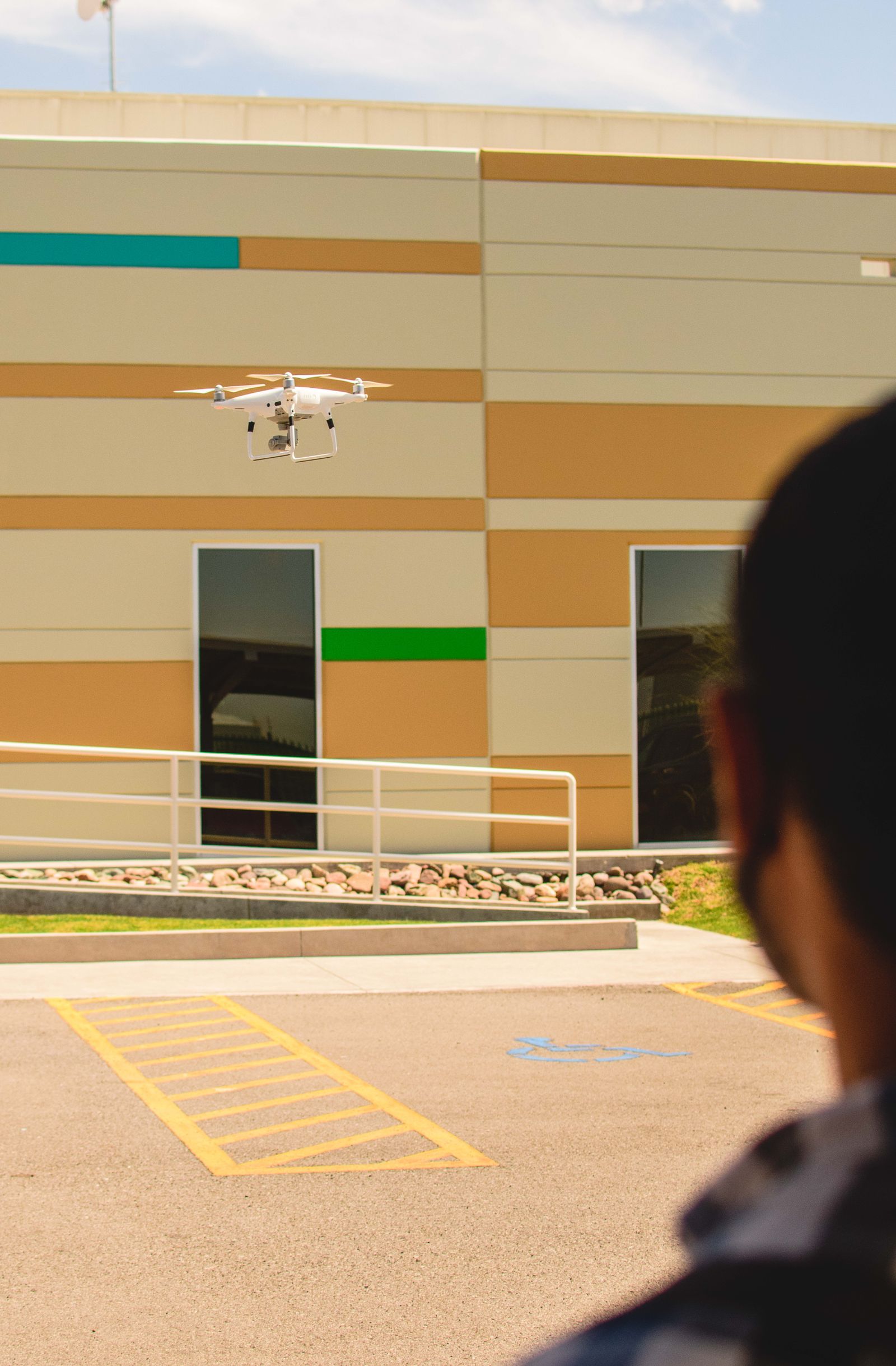
Aerial assistance may be considered for suitable broad upper elevations when wind, stand-off distance, launch and recovery space, visual control, public separation, and facade compatibility support the work. It can reduce repositioning for selected parapets, sign bands, ledges, or tall walls. It does not make unsuitable chemistry appropriate, remove bonded mineral scale, clean contact-sensitive glass, detail a recessed entry, or repair a joint. Ground crews, water-fed poles, lifts, and hand detailing may remain necessary at doors, signs, canopies, balconies, louvers, and lower walls.
Bozeman sites can include overhead utilities, mature trees, narrow downtown sidewalks, active roads, rooftop equipment, fences, construction cranes, and airport-related airspace considerations. A property near Bozeman Yellowstone International Airport needs an airspace and operating review; commercial drone work must follow applicable Federal Aviation Administration rules. Site permission is not a substitute for aviation requirements. If wind, people, vehicles, visibility, or recovery space cannot be controlled, a ground-based or hybrid plan is the better fit.
Access also changes the customer experience. A downtown storefront may need short sidewalk phases; a hotel may need an arrival lane kept open; an industrial property may need cleaning between deliveries; and a medical building may need an uninterrupted accessible route. The quote should list access equipment, staging, barriers, spotters, hand work, and any aerial zones instead of treating height as the only planning variable.
Protect entrances, tenants, landscaping, and runoff paths
Before treatment, identify employee and customer entrances, accessible routes, loading doors, air intakes, cameras, electrical equipment, landscaping, outdoor dining, vehicles, signs, and neighboring tenant areas. Shared Bozeman parking lots can funnel water toward a curb inlet, landscaped swale, garage ramp, or a lower storefront. Snow berms and thawing pavement can change the path during the same visit. The crew and property contact should walk the route, confirm water access, and decide where hoses, barriers, recovery equipment, and warning signs can remain without creating a trip or traffic problem.
Runoff planning depends on the solution, loosened soil, rinse volume, slope, drain type, vegetation, and site requirements. A visible storm drain is not automatic permission for treated water to enter it. Controls may include diversion, collection, recovery, reduced rinse volume, filtration, plant protection, disposal, or coordination with the responsible authority. The first rinse should be observed closely. If actual flow moves under a door, into a garage, across a neighbor's space, or toward a drain outside the plan, pause and adjust before continuing.
A useful closeout records completed elevations, remaining deposits, pre-existing damage, and any water path or envelope condition that needs attention. That gives the facilities team a defensible record and keeps cleaning results distinct from repairs. Phasing can limit disruption while still producing a visible improvement at the entrance, sign band, or most heavily weathered elevation.
- Locate public paths, accessible routes, doors, air intakes, loading areas, plants, equipment, and drains.
- Confirm water access, hose routing, barriers, recovery or diversion controls, and emergency access.
- Coordinate tenant, guest, student, patient, employee, delivery, event, and restaurant activity.
- Document finished zones, remaining deposits, pre-existing damage, and conditions for another trade.
Request a Bozeman quote that can be scheduled
Send the address, building use, approximate height, facade materials, problem elevations, desired timing, operating hours, water access, nearby drains, security or tenant rules, and any known leaks, loose material, coating failure, or previous cleaning damage. Photos of the main entrance, shaded wall, upper elevation, roof edge, loading area, sidewalk, parking-side drainage, and landscaping help identify access and protection needs. Tell the estimator whether the objective is an event-ready appearance, recurring maintenance, tenant turnover, a sale, or investigation of one recurring stain.
To discuss a Bozeman property, call +1 239-351-2897 or email contact@dronebuildingcleaners.com. Drone Building Cleaners can help determine whether soft washing, controlled pressure, aerial assistance, or a hybrid scope fits the building. A good proposal is specific about elevations, materials, access, weather, runoff, protection, expected improvement, limitations, and work that belongs to another trade.